Grounding Systems in Older Albuquerque Homes: What to Watch For
Grounding is the part of your electrical system you never notice, until you do.
September 8, 2026 · 3 min read
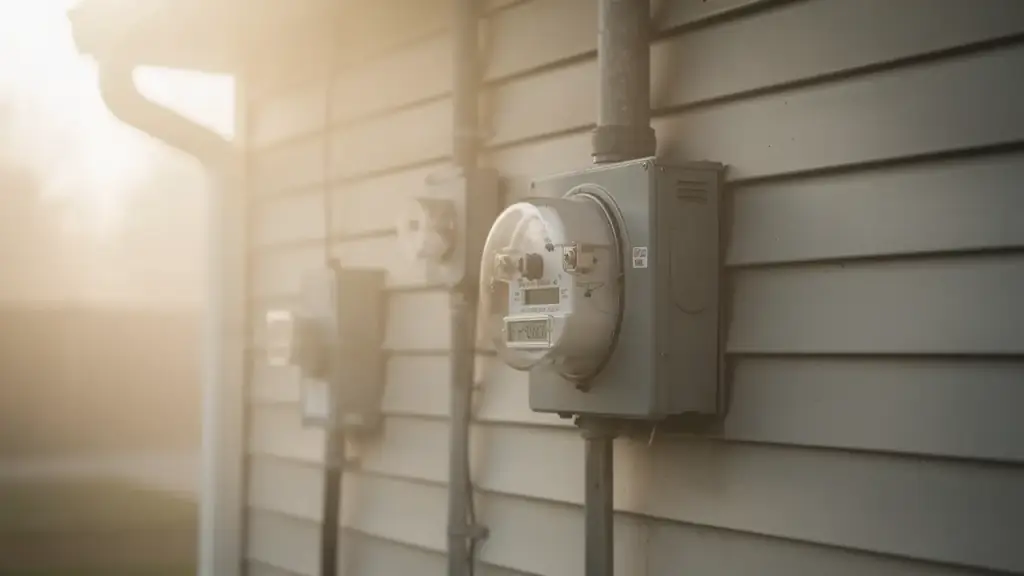
What a grounding system is actually doing
A grounding system gives electricity a safe, deliberate path back to the earth if something goes wrong, instead of through a wall, an appliance, or a person. It's not something you notice when it's working. You notice it when it isn't, usually in the form of a shock from a metal fixture, a tripped GFCI that won't reset, or damaged electronics after a power surge. Grounding is one of the quieter parts of a home's electrical system, but it's doing real work every time a circuit is live.
Why older Albuquerque properties often fall short
A lot of Albuquerque's housing stock predates the grounding requirements that are standard today. Homes wired decades ago may have two prong outlets with no ground wire at all, a grounding system that was adequate when it was installed but has since corroded or come loose underground, or additions and remodels over the years that were tied into the original system without properly extending the ground. None of that is unusual for a house this age, and it doesn't mean the whole house is unsafe. It does mean the grounding is worth checking rather than assuming.
Signs it's worth a look
- Two prong outlets anywhere in the house, especially in the kitchen, bathroom, or garage
- A tingling sensation or small shock when you touch a metal appliance, faucet, or light fixture
- GFCI outlets that trip for no obvious reason, or won't reset at all
- Electronics or appliances that have failed after a storm or a brief power flicker
- You're planning an addition, a hot tub install, or a remodel and don't know what the existing ground looks like
How an electrician actually checks it
Checking a grounding system isn't guesswork. An electrician traces the path from the panel to the grounding electrode, whether that's a ground rod, the water line, or both, and confirms the connections are tight, corrosion free, and properly sized. From there it's a matter of testing individual circuits and outlets to see whether they're actually tied into that path or just look like they are from the cover plate. A two prong outlet is an obvious tell. A three prong outlet that was never actually grounded is a quieter one, and it's more common than most homeowners expect in a house that's had work done over the decades by more than one previous owner.
Why it matters more with today's electronics
A grounding system built for a house full of incandescent bulbs and a single television is being asked to protect a very different load today: computers, routers, smart home devices, and appliances with their own sensitive electronics. Proper grounding gives surge protection somewhere to send excess voltage instead of through whatever's plugged in. Without it, a nearby lightning strike or a grid disturbance during monsoon season can take out equipment that a properly grounded circuit would have absorbed without incident.
What a grounding upgrade looks like
The scope depends on what's actually there. Sometimes it's replacing a corroded ground rod and clamp outside the house. Sometimes it's running a proper ground wire back to the panel for circuits that were never tied into one. On an older property it can mean re-establishing the whole grounding electrode system to current standards. An electrician can tell you which one you're looking at with a straightforward inspection, without assuming you need the most expensive version of the job.
What to expect during the visit
A grounding inspection usually starts outside, checking the ground rod, the clamp, and the wire running from it back to the panel, then moves inside to test a sample of outlets around the house with a simple circuit tester. If two prong outlets are present, the electrician will look at whether they're original to the house or a sign that grounded circuits were added elsewhere without updating everything else. You'll get a plain explanation of what's there, what's missing, and what it would take to bring it up to a standard that protects the house properly, not a list of every possible upgrade whether it's needed or not.
Schmidt Electrical Contracting has handled grounding system upgrades on Albuquerque area homes for 25 years and holds an active New Mexico electrical contractor's license (#363118), using name brand components like Square D for the work. If your house still has two prong outlets or a GFCI that won't behave, that's usually where a grounding check starts.
Schmidt Electrical Contracting, (505) 331-1968
Call (505) 331-1968More articles
Failing Panel or Nuisance Trip? How to Tell the Difference
A tripped breaker isn't always a problem. Here's how to know when it is.
The Electrical Inspection to Get Before You Buy a House
A general home inspection isn't the same thing as knowing what's inside the panel.